



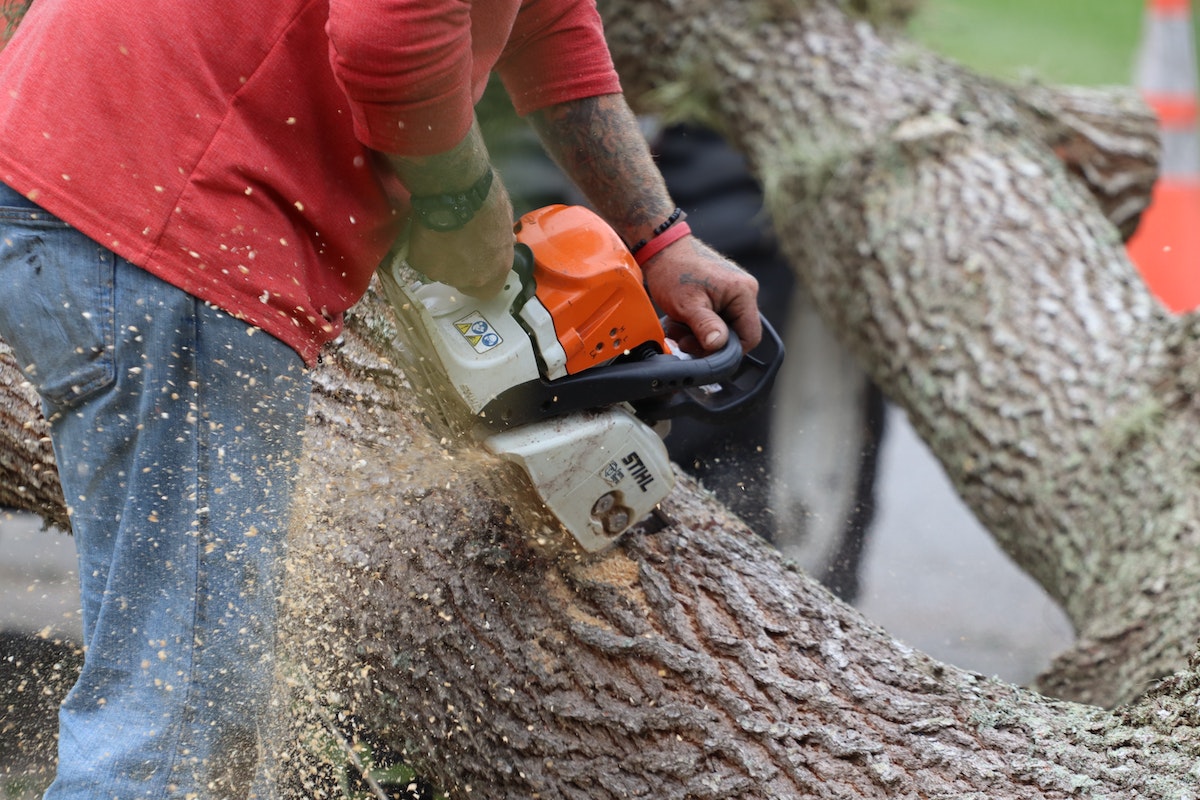
Trees provide numerous benefits to the environment; however, there are situations when tree removal becomes necessary. If you require tree removal services in Oklahoma City, you’ve come to the right place. Here at KC Trees and Construct, we will be discussing the 5 signs indicating the need to remove a tree in an upcoming blog post. To learn more, continue reading below for additional information.
While it’s preferable to preserve trees whenever possible, certain circumstances may warrant their removal. For instance, if a tree is dead or dying, it is evident that it should be removed. In such cases, it is crucial to hire a professional tree removal company to ensure the job is done safely and effectively.
If you have concerns about a tree posing a safety risk, consulting a reputable tree company is recommended. They can assess the situation and determine whether the tree should be removed, providing you with expert tree removal services.
Here are the five signs that you must remove a tree from your property.
1. Leaning Tree
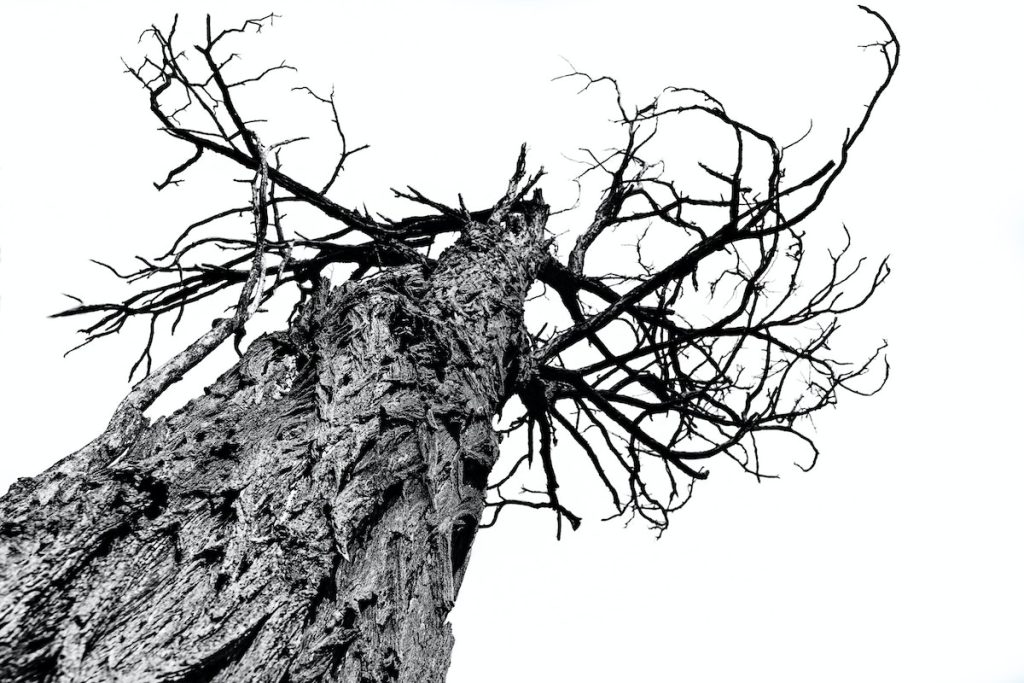
When a tree in your backyard starts to lean, it becomes a potential hazard. Assessing the direction of the lean can provide valuable insights into the tree’s health. If a tree that previously had no lean suddenly begins to lean, it may be a sign of its declining condition. The tree’s roots may have been damaged or weakened, causing it to lose stability and upright support.
To determine if a tree is leaning toward a specific direction, consider the following signs:
1. Extremely saturated soil: After heavy rainfall, inspect the ground around your trees. If the soil feels excessively saturated and you sink into it as you walk, it may be unable to adequately support and stabilize the trees in your yard. Trees in such conditions are at a higher risk of leaning or being uprooted.
2. Lifting or cracking soil on one side of the tree: If you notice the soil lifting or cracking on one side of the tree, it indicates a shift in the rootball. This shift can destabilize the tree and increase the risk of it leaning or falling.
3. Exposed roots: Floods, storms, subsiding ground, or soil erosion can lead to newly exposed roots. If you observe exposed roots around the base of the tree, it suggests that the roots are starting to pull out of the ground, compromising the tree’s stability.
Leaning trees pose a safety hazard, especially if you have young children or pets playing in the yard. It is advisable to consult a professional tree service to inspect the tree. If removal is necessary, they can safely remove the tree, mitigating potential risks.
2. Root Decay
Are the tree’s roots decaying? When the roots of a tree decay, it compromises the tree’s structural support, making it susceptible to falling at any time.
Are the roots of the tree exposed? Exposed roots are vulnerable to damage from lawnmowers, animals, or nearby construction. Additionally, extended periods of drought can lead to root death. Damaged roots can hinder the tree’s ability to access water and nutrients, resulting in weakness and eventual death.
3. Storm Damage
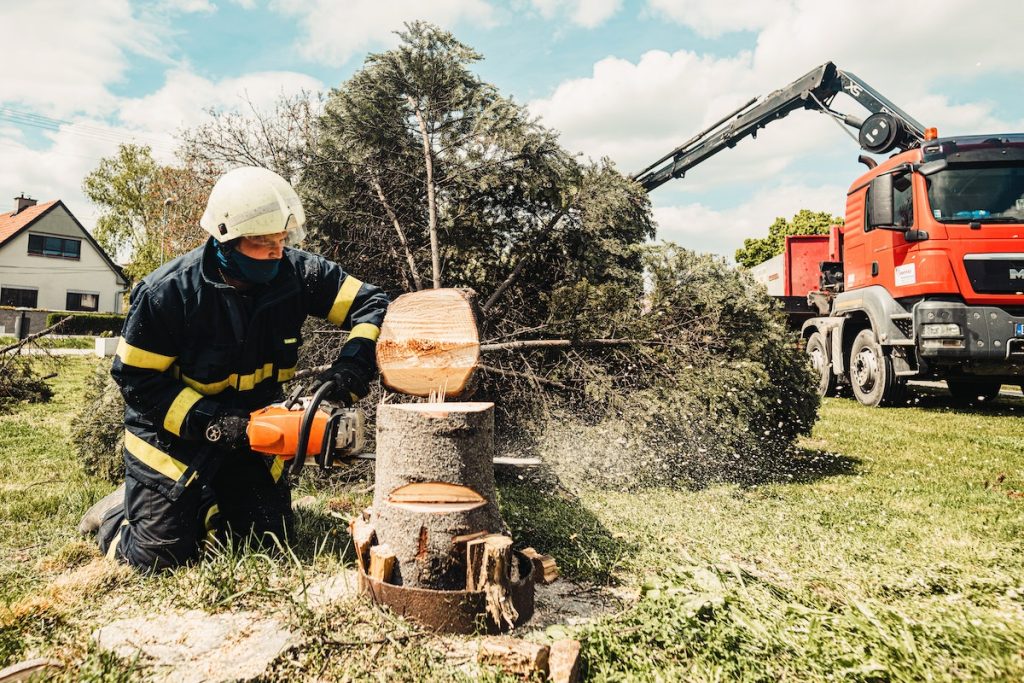
If you reside in an area prone to storms, it is important to inspect the trees in your yard following severe weather events. Strong winds, heavy rain, snowstorms, or lightning can cause significant damage to trees.
Look for signs of broken limbs or large branches that are still attached but could fall. These pose risks of injury and extensive property damage if they were to fall on individuals, pets, vehicles, or structures.
Trees with split trunks or numerous branch cracks are particularly concerning as they may be unstable. It is advisable to have a professional tree service assess the tree’s condition and determine if removal is necessary.
4. Fungal Infestation
The presence of mushroom-like spores on a tree, particularly near its base or roots, indicates a fungal invasion. If left untreated, this can cause severe damage, weakening the tree and eventually leading to its death. Fungi typically enter the tree through wounds that disrupt the protective bark, initiating a process of gradual decay.
5. Proximity to Structures
Large trees should be planted at least 15-20 feet away from structures such as homes or buildings. When trees are too close, their roots can damage the foundation of the structure, while falling branches or the entire tree itself pose a risk. Overgrown branches can also cause damage to siding, gutters, roofing, or windows.
Planting trees in close proximity to each other can adversely affect their health and growth. To ensure proper growth, it is advisable to remove excess trees, allowing the remaining ones to thrive.
If you are uncertain about whether or not a tree should be removed, it is advisable to seek assistance from a professional tree company. For residents of Oklahoma City, KC Trees and Construct is an excellent choice to assess and safely remove trees from your property. Request a quote from us here.
Are you in need of tree removal services in Oklahoma City? Look no further than KC Trees and Construct. As a family-owned company, we offer a range of tree services including tree grinding, tree pruning, tree treatments, and tree trimming.
If you have any inquiries or questions about our company or the services we provide, please do not hesitate to contact us. You can reach us at +405 317 3437 or send an email to kctrees02@gmail.com. Choose KC Trees and Construct for safe and reliable tree removal in your backyard.