



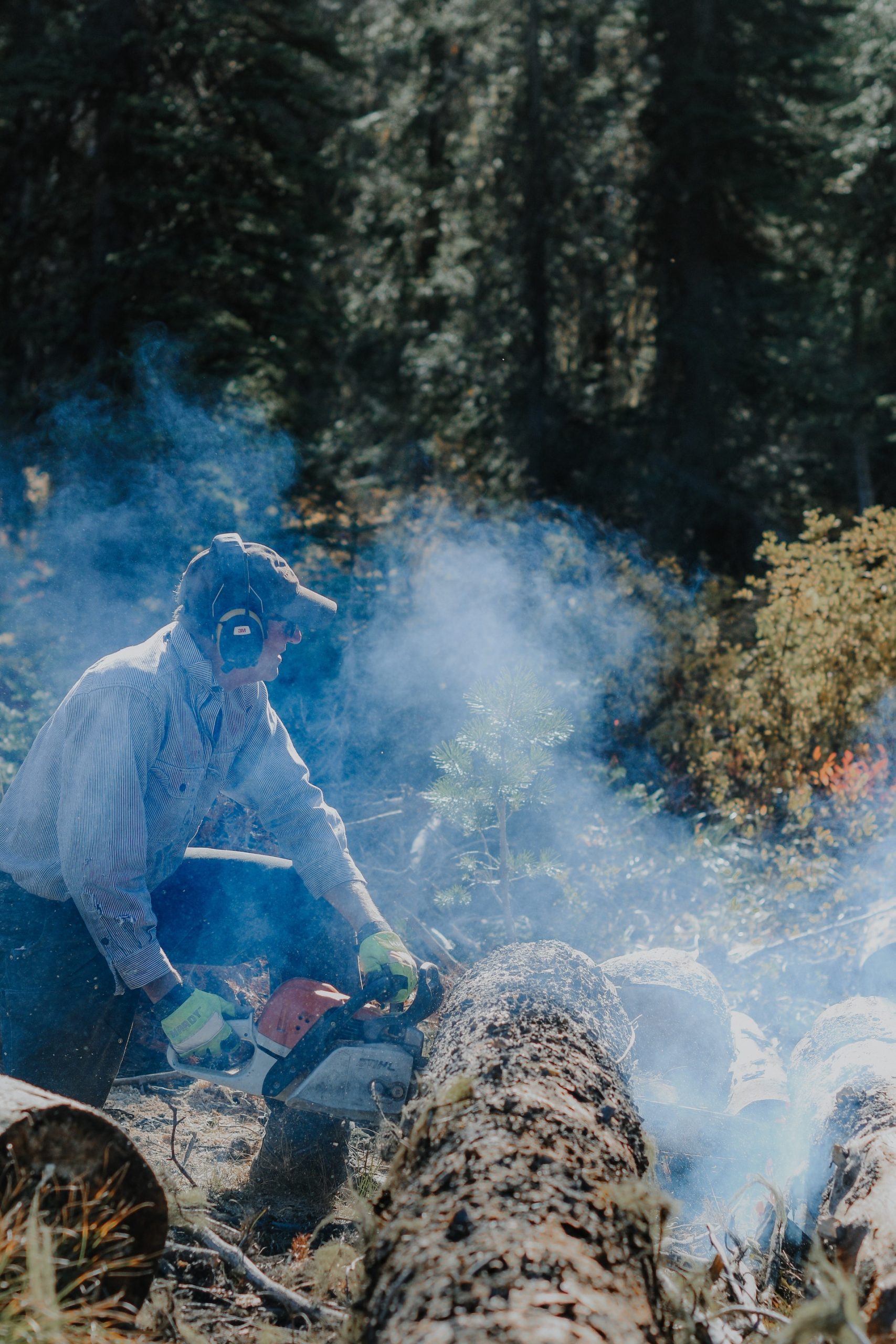
Pruning trees is crucial for their safety, appearance, and overall health. Whether it’s to eliminate dead or damaged limbs or to control the size and shape of the tree, proper pruning is essential. Neglecting to prune your tree could result in branches falling and causing damage or injuries to people and property.
Uncontrolled tree growth can also lead to damage to other trees or compete with them for resources. Therefore, it’s vital to inspect your trees regularly to assess whether they require pruning. Here are some ways to determine whether your tree needs trimming:
What Are the Signs That Your Tree Needs Pruning?
Trees offer numerous benefits, including increasing your lifespan and boosting your mood. They provide shade in the summer and beautiful foliage in the fall. However, trees also require regular maintenance to ensure their health and safety.
It’s crucial to know when to prune your trees, whether you have them in your front yard or living in a wooded area. Neglecting to prune them could lead to potential damage for you, your family, or your visitors.
Before we get started, let us first discuss when the time of the year is where pruning should not be done:
Pruning Should Not Be Done During the Fall
Fall is generally not the best time to prune your trees. During this season, trees undergo changes in color and their leaves fall, making them look beautiful. If you are considering pruning your tree to enhance its beauty, fall might not be the most appropriate time to do so.
Pruning stimulates new growth, but these new shoots may not have enough time to harden off before the winter arrives. This could make them vulnerable to damage from cold weather or pests. Additionally, pruning during a warm day and a cold night could also cause harm to the tree.
Now that you know when you should avoid pruning your tree, here are some of the ways that you can check if it’s time to prune your tree:
Verify the Growth of the Tree
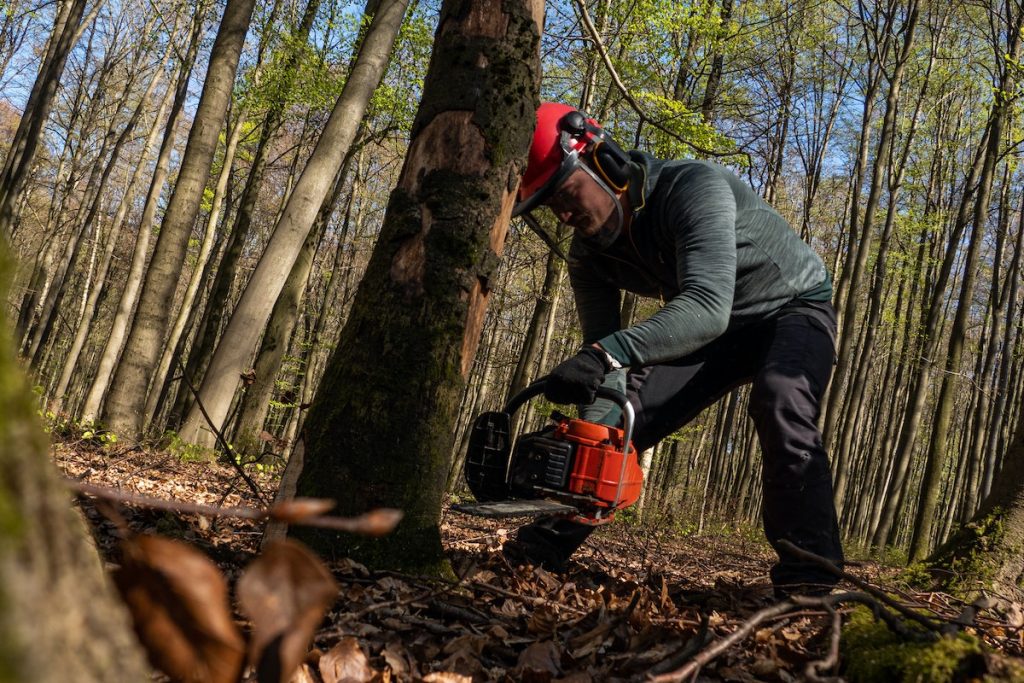
Obviously, you don’t want your trees to grow out of control. It’s important to keep your trees properly trimmed and pruned, as overgrown trees can cause harm and damage to surrounding property.
When a tree becomes too large, or if its branches begin to spread in unwanted areas, it’s time to consider trimming. Delaying this task can lead to having to prune a large portion of the tree, which can damage its health and cause safety concerns in the future.
Removing large branches or the entire top portion of the tree can cause stress and make it more susceptible to disease and pathogens. Therefore, it’s crucial to prune your trees early and regularly to maintain their health and prevent them from growing too large.
Look for Indications of Disease
If your tree is infected with a disease, it is essential to remove the affected areas promptly to prevent the disease from spreading. Diseases can be lethal to a tree and could also spread to other trees, weakening and killing them.
Symptoms and causes of diseases vary, so it is recommended to check your tree regularly for signs such as premature leaf loss, discoloration, or fungal growth. Fungi can cause necrotic lesions on leaves or block the delivery of nutrients and oxygen, resulting in spots or blisters.
Prune the diseased areas immediately or consider treating them with fungicides. If the disease spreads to the branches, decay may occur, which can lead to weak and brittle branches. It is essential to trim the decayed branches immediately to ensure safety.
Inspect Your Tree After a Storm
After a storm or flood, it is important to inspect your trees, even if you have recently checked them. Some damage may be obvious, such as hanging limbs that were broken by strong winds.
Remove these limbs along with other small branches that have been damaged. To minimize the risk of disease, trim the small branches all the way to the large ones. Only trim the branches that are affected by the storm, even if it means your tree will look a bit different afterward.
Don’t worry if many leaves are missing since they will quickly regrow. Overdoing it can cause permanent damage to your tree. Check the roots of your tree as well.
If you have recently experienced a flood, the roots may have been damaged, especially if the ground has been soaked. Unfortunately, if there is significant damage, you may need to remove the entire tree.
Inspect for Any Unusual Damage or Growth
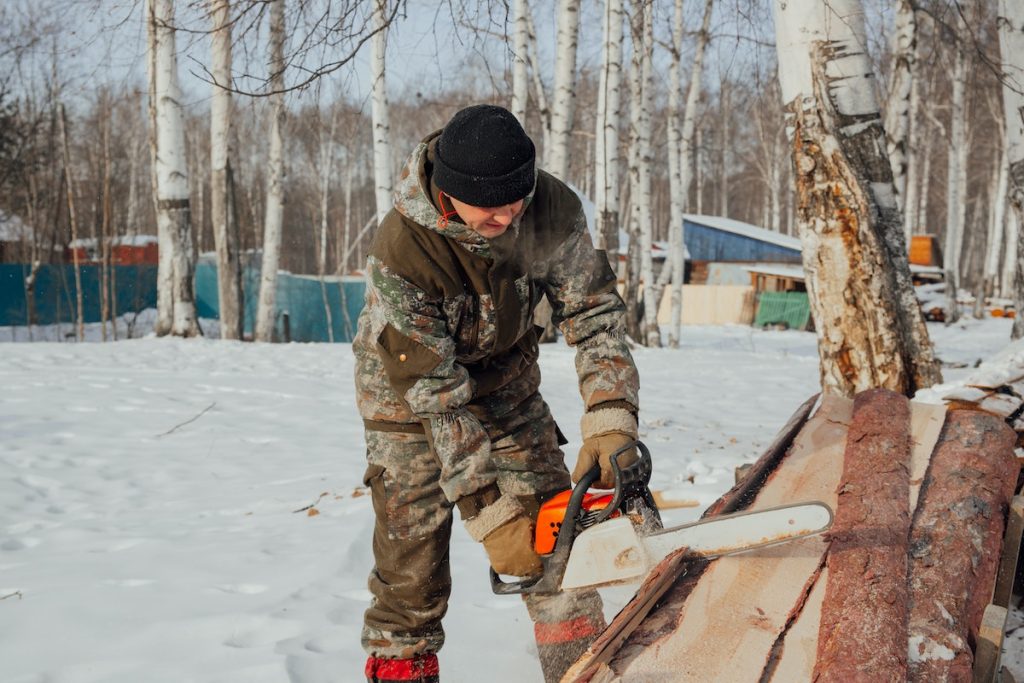
Trimming down your tree is not always due to disease. Other factors such as damage or stress can also cause the need for pruning. For instance, if a branch has been injured by an animal, storm, or other causes, it can weaken and pose a safety hazard.
You should also check if there are any parts of the tree growing abnormally. Branches with unusual shapes may not have strong structural integrity and could easily break off.
Some trees, like maple and elm, tend to grow weak branches. If this happens, the branches can become a burden to the tree and have a higher risk of falling. If you notice any weak branches, it’s a clear sign that your tree needs trimming as soon as possible.
Let a Professional Check Your Tree Annually
It’s important to regularly check your tree, but it’s also wise to have a professional tree service inspect your tree annually and prune it as needed. They have the expertise and training to identify any signs of disease or weakness that you may have missed.
They can provide recommendations on what to do if your tree has been injured or infected with a disease and can assist with other tree-related concerns as well. With their help, you can ensure the health and safety of your tree for years to come.
KC Trees and Construct provides different types of tree services such as tree pruning, tree removal, and tree trimming. If you require any of these services, then you can call us at +405 317 3437 or send us an email at kctrees02@gmail.com.