



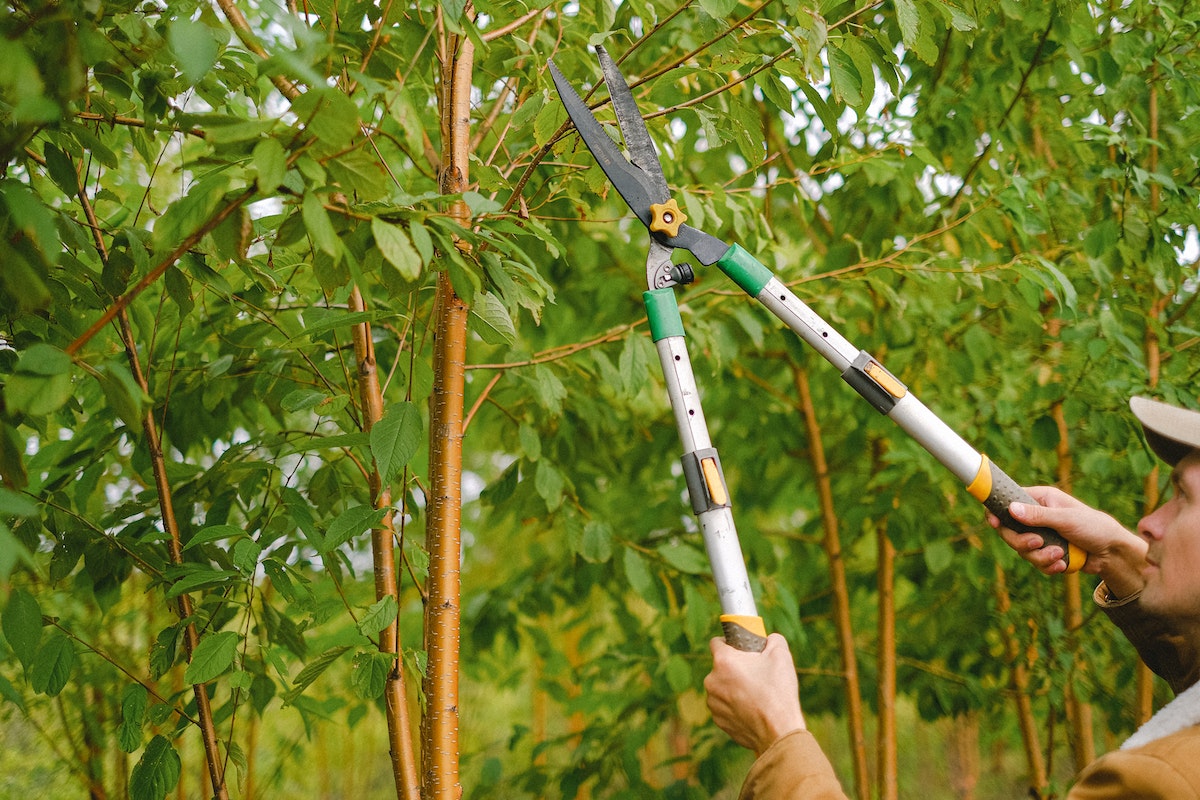
During autumn, leaves will gradually fall from the trees. As a result, those branches which were previously covered with a thick foliage are now getting exposed.
Although some gardeners would never bother about these falling leaves, perhaps this is the perfect opportunity for you to examine every tree canopy. By now, you will be able to notice which branches must be removed from your trees. You can take advantage of these dormant months by developing a plan for trimming and pruning your trees.
Why is Pruning Trees Important?
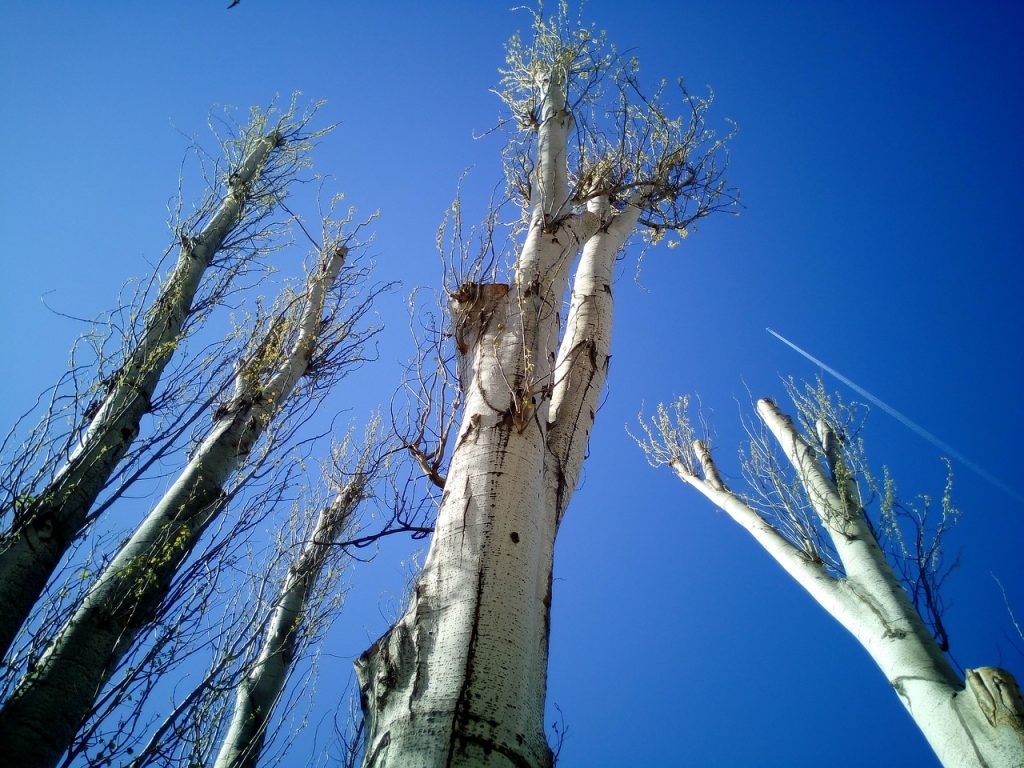
There are various reasons why tree limbs should be pruned, and all of these can lead to a better-performing and better-looking tree.
Even if your trees are not pruned, they can still grow naturally; this landscaping maintenance routine can greatly help in allowing your trees to live longer and reach their potential.
Nevertheless, before you start learning how to properly trim a tree, be sure to know why you need to trim the tree.
Pruning Can Make Your Trees Healthier
Pruning plays a vital role in promoting the healthy growth of trees by removing diseased, dying, and dead branches, as well as branch stubs and those that rub against each other. This ensures that the tree can continue to thrive in a robust and healthy manner.
By thinning out the canopy, air circulation and light penetration are improved, reducing the risk of disease and promoting foliage growth. On the ground, the removal of water sprouts and suckers prevents them from weakening the tree’s wood and absorbing nutrients from the main tree.
Assisting the tree in developing a dominant leader and a strong central trunk enables it to withstand high winds and winter storms more effectively.
Through pruning and proper landscape maintenance, you can shape and nurture your plants to achieve your desired vision. Unique pruning techniques can encourage flowering and fruiting, control plant size, and shape plants into specific forms.
Pruning Can Encourage Safer Spaces
In addition to promoting tree health, pruning plays a crucial role in enhancing tree strength and ensuring safety. Safety considerations should not be overlooked when it comes to tree pruning.
Maintaining a safe environment for your family is an important reason to trim the trees in your yard. Weak limbs, diseased trees, and dead branches can pose risks to people. Before pruning, evaluate whether branches are dangerously close to electrical lines, obstructing safety lights, or impeding the visibility of traffic.
Pruning is particularly important in areas prone to hurricanes, as it helps eliminate dead limbs and thin out branches. Excessive foliage can make the top portion of the tree heavier, increasing the likelihood of it toppling during storms. Falling branches can cause damage to plants or structures below.
How Do You Properly Prune a Tree Limb?
When pruning small limbs and branches that are too thin to be cut with hand tools, it’s important to consider the impact of your cuts on new growth.
To promote healthy regrowth, make your cuts about ¼ inch above a bud, ensuring that the bud faces outward from the plant. This will encourage new growth to develop the desired direction. To minimize the risk of disease and water damage, be sure to make your cuts at a 45-degree angle.
Step-By-Step Guide for 3-cut Pruning
When tree branches are properly pruned, a callus will be formed on the area where the branch once was. This callus is crucial for making the tree healthier.
If the tree branches are cut from the main branch or the trunk, then 3-cut pruning is required to prevent any damage to the bark. The two cuts can help in eliminating the weight from the branch, while the last cut is intended for callus growth.
The first cut will be done on the underside of the branch. Measure at least 18 inches up from the underside of the tree branch that you are about to remove. This will be the area where you will make your first cut. When cutting, make sure that it is approximately halfway through the branch.
The second cut should be done on the top side of the branch. Go to the top side of the branch and select an area that is one inch away from your first cut. Now, slowly cut it down until such time that the tree branch will break free.
Finally, the last cut will be made on the outer part of the collar. Try to search for your tree’s branch collar, which also refers to the stem tissue that is surrounding the bottom of the tree branch.
In some trees, this is the location where there is a rougher bark and a bit of swelling. It is recommended that you should make your third cut on the outer part of this collar but be sure not to leave a stub. The cut should be made at a 45-degree angle right from the base of the tree. This can help in encouraging the instant formation of the callus while preventing water damage.
Leave Your Tree Pruning to the Professionals
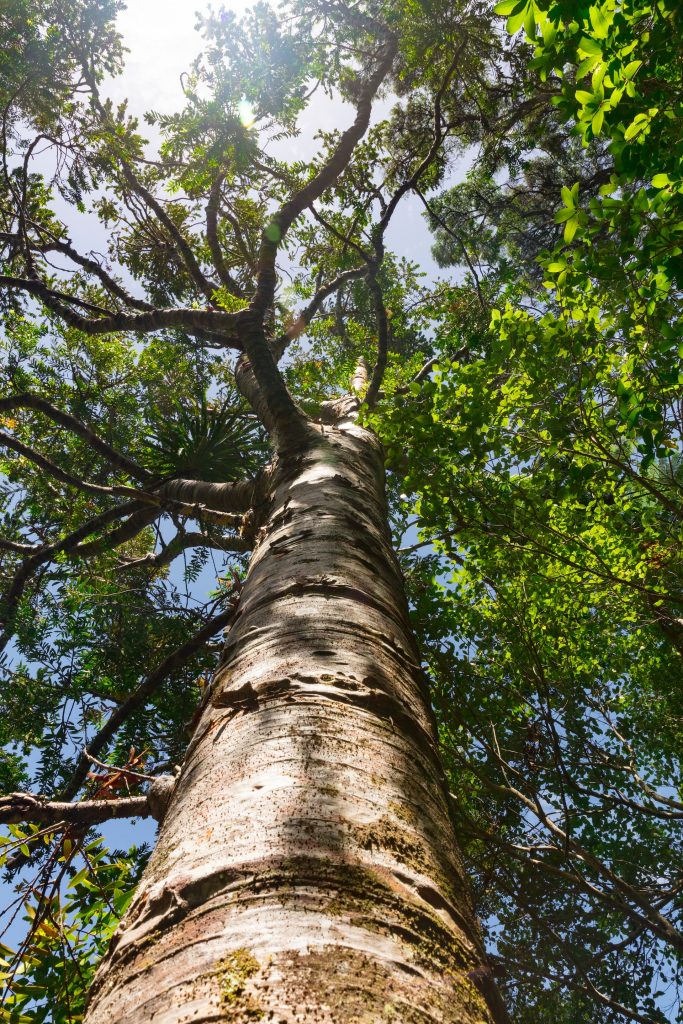
It might seem that tree pruning can be a huge project. That is why it is highly recommended that you should let the tree care professionals and qualified arborists handle those big, established trees.
This is because they have the skills and training needed in removing these large tree branches safely. At the same time, they also have the proper equipment. If you want to learn how to prune a tree, then you should start with fruit and ornamental trees. Most of these trees require simple tools and are more accessible.
Start Tree Pruning as Early as Possible
Most proactive homeowners will start tree pruning as early as possible, in fact, right after the tree is planted. Broken, dead, and diseased branches must be taken right away.
However, pruning for shape can start during the first winter after the tree is planted. It is important that you should regularly prune your trees throughout their lifetime to reduce the stress on the tree as well as the amount of work needed. Pruning your tree little by little every year can help in making them stronger and look more attractive.
When is the Proper Time to Prune Trees?
Diseased, damaged, or dead branches can be removed at any time, but it is generally beneficial to prune your trees in mid to late winter. Pruning during the dormant months can stimulate new growth when the weather warms up.
During winter, when the leaves have fallen, it is easier to identify which limbs and branches need to be removed. However, some trees, like maples, may bleed sap if pruned in late winter. This is not a cause for concern as the sap flow will stop once the leaves start to emerge. It does not harm the trees or pose any danger.
While fall may seem like an ideal time for pruning, it is advisable to wait a few months before beginning. Pruning in the fall can leave trees susceptible to disease. In a warm fall, new growth may occur and be vulnerable to damage when temperatures drop.
Pruning in the summer is generally not recommended, but can be beneficial when done with caution. Experienced gardeners sometimes use summer pruning to redirect growth and slow down the development of a branch or tree.
The best time for this type of pruning is right after seasonal growth has peaked. By removing a significant amount of leaf surface, nutrient flow from the roots is reduced, resulting in slower overall growth.
KC Trees and Construct can help you with your tree pruning. We also offer tree trimming, tree removal, tree treatments, etc. For more details, just call us at +405 317 3437 or send us an email at kctrees02@gmail.com.